Child Restraint Fitting Guide
Everything you need to know about Australian child restraint laws, anchor point systems, and safe installation — from age requirements to ISOFIX vs top tether.
Australian Child Restraint Laws by Age Group
Australian law requires children to be secured in an approved child restraint appropriate for their age and size. The rules apply in every state and territory. Here's what the law requires at each stage.
Birth to 6 Months
Must be secured in a rearward-facing child restraint. The restraint must comply with AS/NZS 1754, be properly installed using either a top tether strap or ISOFIX connectors, and be positioned in the rear seat of the vehicle.
6 Months to 4 Years
Must be secured in either a rearward-facing or forward-facing child restraint with an inbuilt harness. Forward-facing restraints require a top tether strap anchored to a certified anchor point. Children should remain rearward-facing as long as possible.
4 to 7 Years
Must be secured in a forward-facing child restraint with an inbuilt harness or a booster seat with a seatbelt. Booster seats must be used with a lap-sash seatbelt — never a lap-only belt.
7 Years and Over
Children must use a booster seat or adult seatbelt, depending on their size. Australian road safety experts recommend children use a booster seat until they are 145cm tall, ensuring the seatbelt sits correctly across the shoulder and hips.
ISOFIX vs Top Tether — Which System Do You Need?
Australian vehicles use two main anchor point systems for child restraints. Understanding the difference helps you choose the right restraint and ensures correct installation.
Top Tether (Universal)
A strap that connects the top of a child restraint to an anchor point behind or below the vehicle seat. Required for all forward-facing restraints in Australia. Top tether anchor points can be installed or relocated by an Approved Person under mod code LK6.
ISOFIX (Semi-Universal)
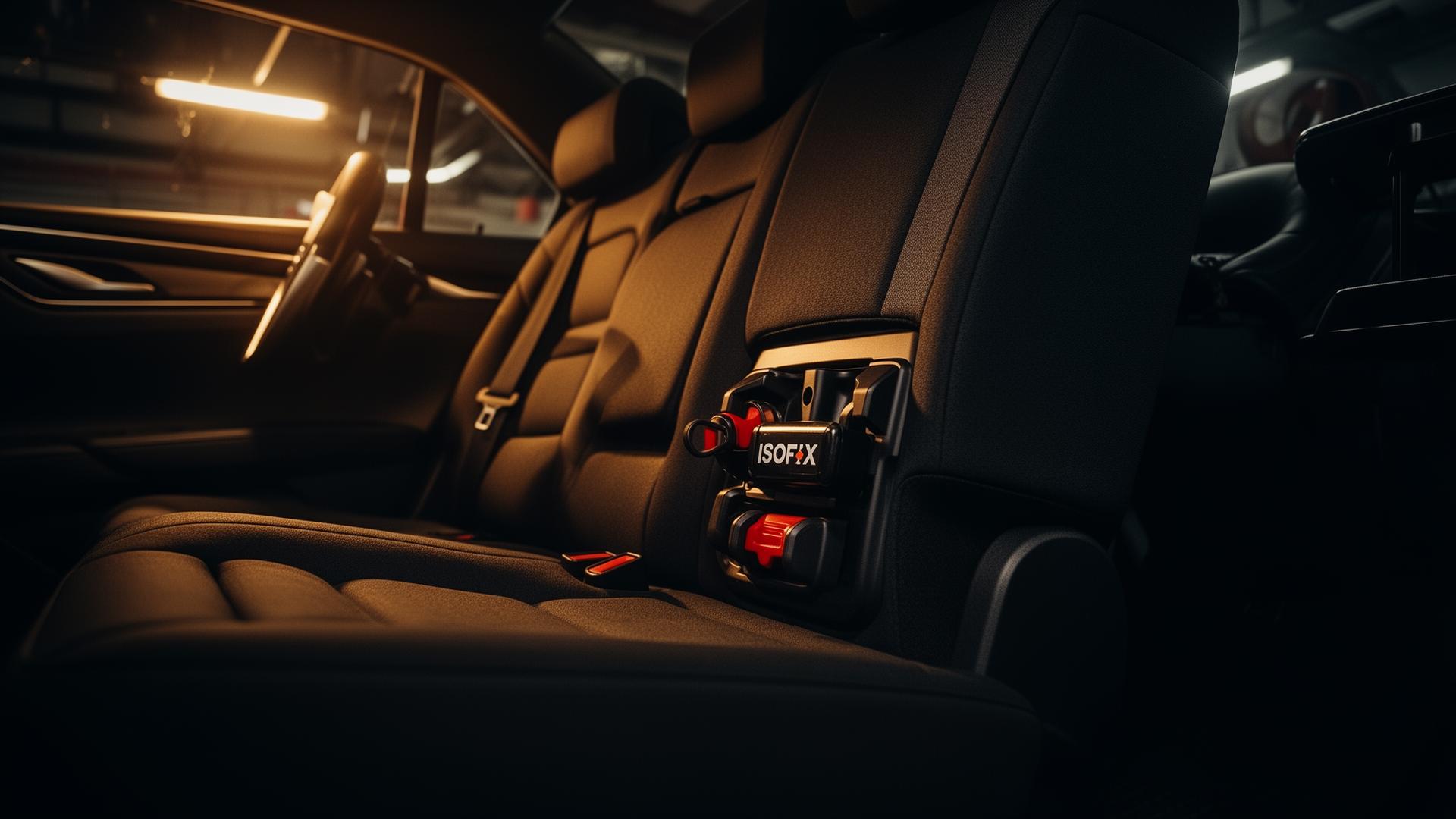
A rigid connection system using two lower anchor bars built into the vehicle's seat structure, plus a top tether or support leg. ISOFIX provides a more secure, easier-to-install connection and reduces the risk of incorrect fitting. Not all vehicles have ISOFIX — check your vehicle manual.
Which System Should I Use?
If your vehicle has ISOFIX anchor points and your child restraint supports ISOFIX, use it for the most secure installation. If your vehicle only has top tether points (or none at all), we can install certified anchor points under LK6 to ensure your child restraint meets Australian standards.
Child Restraint Safety Tips
Proper installation is just as important as the restraint itself. Follow these evidence-based safety tips to maximise your child's protection.
Check Anchor Point Integrity
Anchor points should be firmly bolted to the vehicle's structural frame — not to seat trim or non-structural panels. If your anchor points feel loose or are visually damaged, have them inspected before use.
Follow the Restraint Manual
Every child restraint has specific installation instructions. Always follow the manufacturer's manual for your restraint and your vehicle. Incorrect installation significantly reduces protection in a crash.
Use an Authorised Fitting Station
If you're unsure about your installation, visit an authorised child restraint fitting station. Trained technicians can check and adjust your restraint. Andy's Mod Plates installs and certifies anchor points to ADR standards.
Don't Use Second-Hand Restraints Past Expiry
Child restraints have an expiry date (usually 10 years from manufacture). Expired or crash-damaged restraints should not be used — the materials may have degraded and will not perform as designed in a collision.
Rear Seat Is Safest
In Queensland, children under 4 must not sit in the front row of a vehicle with two or more rows, and children aged 4 to under 7 may only sit there if all other seats are taken by younger children. The centre rear position is statistically the safest location in the vehicle, as it is furthest from any point of impact.
Never Modify a Restraint
Do not alter, pad, or modify a child restraint in any way. Aftermarket additions (extra padding, strap covers, mirrors attached to the restraint) may compromise its performance in a crash.
Need Child Anchor Points Installed?
Andy's Mod Plates & Accessories is an Approved Person for LK6 — Child Anchor Points in Queensland. We install, relocate, and certify child restraint anchor points (top tether and ISOFIX-compatible) to Australian Design Rule standards, with mod plate certification included.
Whether you drive a classic vehicle without factory anchor points, a modified 4x4 with relocated seats, or simply need additional anchor points for a growing family — we can help.
Helpful Australian Resources
The following links lead to official Australian government and non-commercial resources relevant to this service. We recommend reviewing these for additional guidance on vehicle modification regulations and safety standards.
Official Australian Government resource on child car seat safety, recalls, and compliance standards.
Australian Government — ACCCQueensland-specific road rules for child restraints, including age requirements and penalties for non-compliance.
Queensland GovernmentIndependent child safety organisation providing child car restraint fitting and checking services, fitting station locations, and safety advice for Queensland families.
Kidsafe QueenslandThe Australian Design Rule specifying requirements for child restraint anchorages and anchor fittings in motor vehicles.
Australian Government — Legislation